
Every logo, website, and branded t-shirt starts with the same foundation: design. But what is graphic design, really? It’s more than just making things look good, it’s the visual language that communicates your brand’s message, values, and identity to the world.
For business owners and organizations, understanding graphic design isn’t just academic curiosity. Whether you’re ordering custom apparel, creating marketing materials, or building a brand from scratch, knowing what makes design effective helps you make smarter decisions and get better results. At Dr. Tee’s Design & Screen Printing, we’ve spent over 20 years translating design concepts into printed products that represent businesses across Kansas City.
This guide breaks down the core principles of graphic design, explores the different types you’ll encounter, and explains what graphic designers actually do day-to-day. By the end, you’ll have a clear understanding of how design works, and how to use it to your advantage.
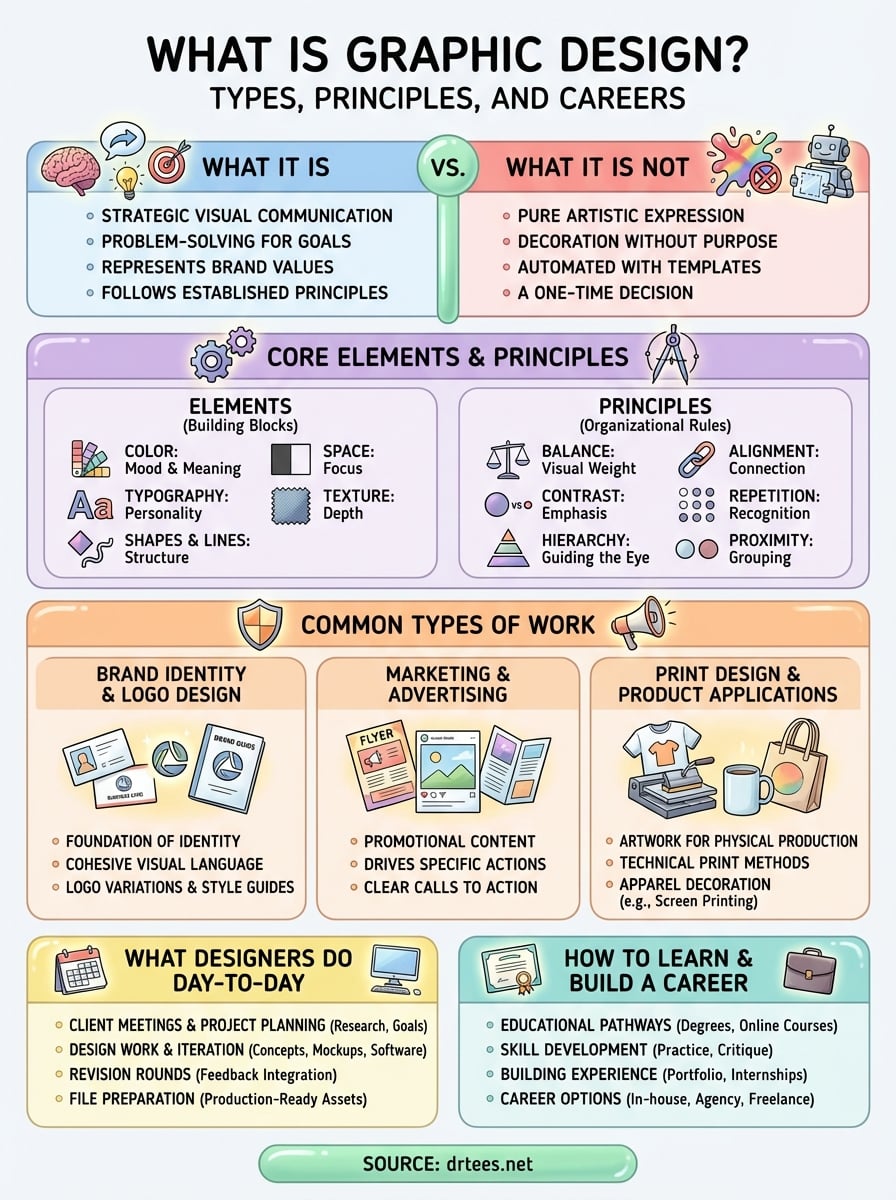
What graphic design is and what it is not
Understanding what is graphic design means clearing up common misconceptions before diving into the details. Many people confuse design with decoration or assume it’s all about personal artistic expression. In reality, graphic design is a strategic discipline that balances creativity with commercial purpose, and knowing where that line sits helps you evaluate design work effectively.
What graphic design actually is
Graphic design is visual problem-solving through intentional communication. When you hire a graphic designer, you’re paying someone to translate your message into visual form that your audience understands and responds to. This means every color choice, font selection, and layout decision serves a specific purpose beyond just looking appealing.
The work centers on creating visual content that achieves specific goals: making your brand recognizable, helping customers navigate information, or persuading someone to take action. A well-designed logo doesn’t just look modern or clean. It represents your business values in a way that sticks in people’s minds and works across different applications, from business cards to vehicle wraps to embroidered polo shirts.
Graphic design transforms abstract ideas into concrete visual messages that people can see, understand, and remember.
Professional designers follow established principles and research-backed methods rather than relying purely on instinct. They consider how the human eye processes information, what colors trigger certain emotions in your target market, and which layouts guide viewers through content in the right order. This combination of creativity and strategy separates effective design from random decoration.
What graphic design is not
Graphic design is not art for art’s sake. While both fields involve visual creation, fine art primarily serves the artist’s personal expression, whereas graphic design serves your business objectives and customer needs. You don’t evaluate a logo by whether it could hang in a museum. You judge it by whether it helps your business get recognized and remembered.
It’s also not just about making things pretty or following current trends. Adding decorative elements without purpose actually weakens your design by creating visual noise. Every element must earn its place by serving your communication goals, whether that’s emphasizing your most important message, creating visual hierarchy, or reinforcing brand consistency. Similarly, chasing every design trend means your materials look dated within months and fail to build long-term brand recognition.
Graphic design isn’t something you can fully automate with templates or DIY tools, despite what many online platforms promise. These tools provide a starting point for basic needs, but they can’t replace strategic thinking about your specific audience and goals. A template doesn’t know whether your roofing company needs to project reliability versus innovation, or whether your dental practice should emphasize comfort or advanced technology. Professional designers bring that strategic understanding along with technical skills.
Finally, design isn’t a one-time decision you make and forget. Your visual identity needs to adapt across different contexts while maintaining consistency, whether you’re printing it on cotton t-shirts, embroidering it on hats, or displaying it on a website. Understanding these distinctions helps you work more effectively with designers and make smarter choices for your business materials.
Core elements and principles of graphic design
When you look at what is graphic design from a practical standpoint, you’re really looking at how designers combine basic building blocks with proven organizational rules to create effective visual communication. These elements and principles work together like ingredients and recipes: you need both the right components and the right method to achieve results that serve your business goals.
Basic elements that build every design
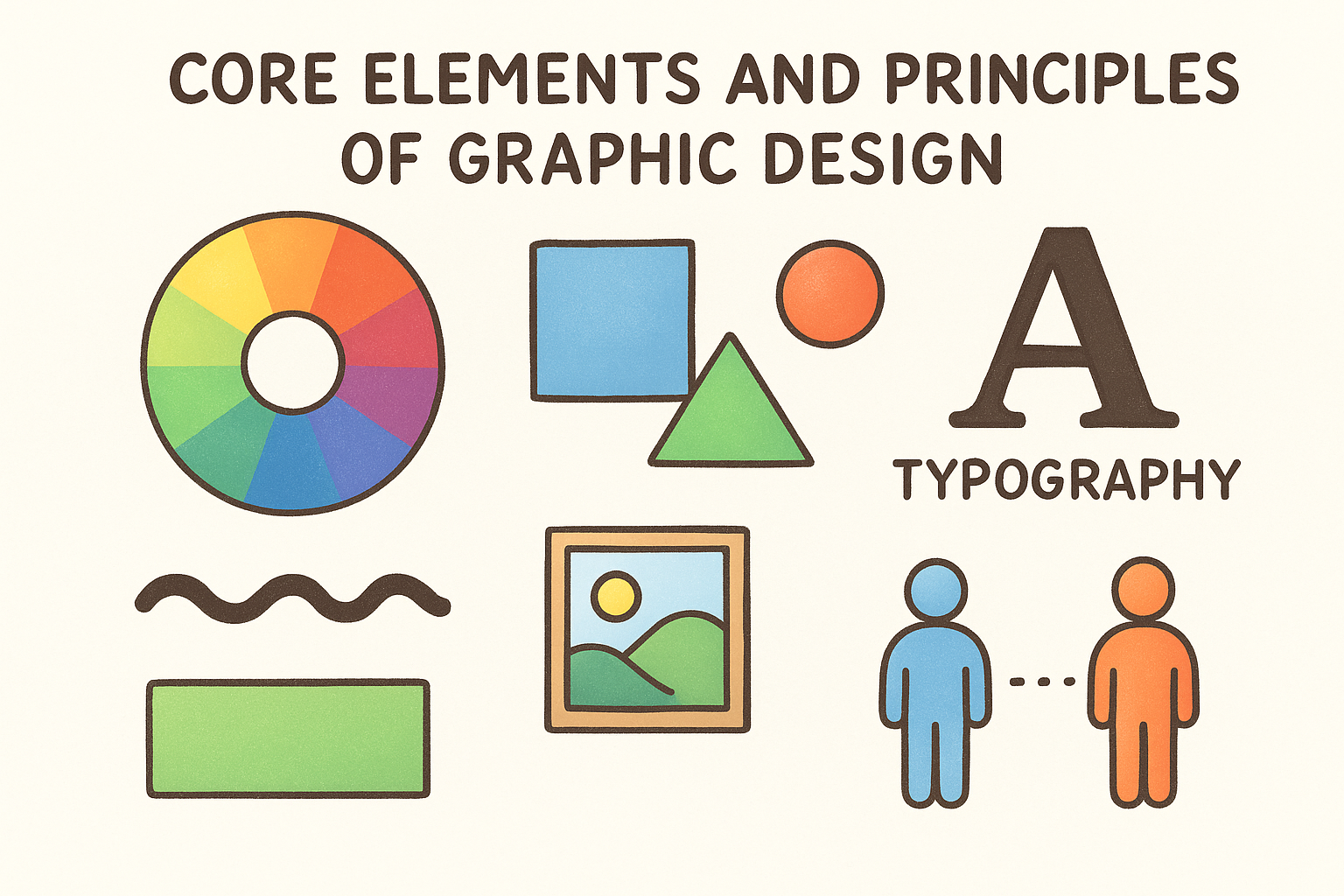
Every piece of graphic design starts with the same fundamental elements, regardless of whether you’re creating a logo or designing custom t-shirts. Color choices communicate mood and meaning before people even read your text, which is why a plumbing company might choose reliable blues while a children’s daycare picks playful yellows. Typography (your font selections) affects both readability and personality, determining whether your brand feels modern, traditional, playful, or serious.
Shapes and lines create structure and guide the viewer’s eye through your design, while space (both filled and empty) controls focus and prevents visual clutter. The texture or pattern you add, whether subtle or bold, adds depth and visual interest without necessarily adding information. Understanding these elements helps you evaluate design proposals and explain what you want when working with a designer.
Design principles that make visuals work
Designers organize those elements using established principles that control how viewers process and respond to visual information. Balance distributes visual weight across your design so nothing feels lopsided or accidental, whether you’re centering a logo on a polo shirt or laying out a business card. Contrast creates emphasis by making important elements stand out through differences in size, color, or weight.
The most effective designs use hierarchy to guide viewers through information in the exact order you want them to see it.
Alignment creates visual connections between elements and establishes professional polish, while repetition builds brand recognition by using consistent colors, fonts, and styles across all your materials. Proximity groups related information together, helping viewers understand relationships at a glance. These principles transform random elements into strategic visual communication that achieves your specific business objectives.
Common types of graphic design work
Understanding what is graphic design in practice means recognizing the different specializations you’ll encounter when hiring designers or ordering branded materials. Each type serves distinct business needs, though many overlap in real-world projects. Knowing these categories helps you communicate your requirements clearly and choose designers with the right experience for your specific project.
Brand identity and logo design
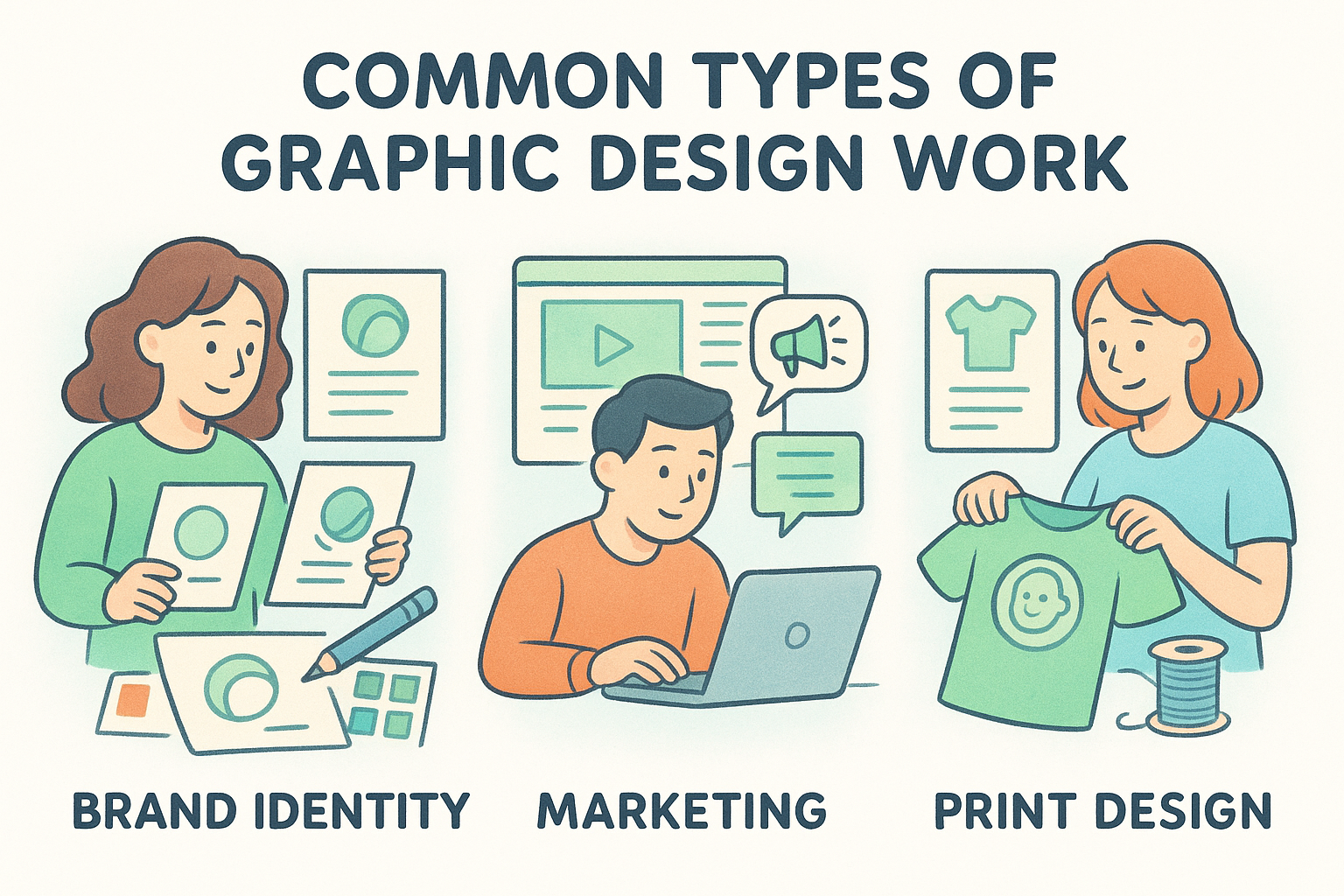
This specialization focuses on creating the visual foundation of your business identity, from your logo and color palette to typography systems and brand guidelines. Brand identity designers develop cohesive visual languages that work across all applications, ensuring your roofing company or dental practice looks consistent whether someone sees your truck, website, or business card.
The deliverables typically include primary and secondary logo variations optimized for different contexts, approved color codes for both print and digital use, and comprehensive style guides that explain how to use each element properly. Your brand identity package becomes the reference point for all future design work, including the artwork you submit for screen printing or embroidery on apparel.
Marketing and advertising materials
Marketing designers create promotional content that drives specific business actions, from flyers and brochures to social media graphics and email templates. They understand how to structure visual information to guide prospects through your message and compel them to contact you, visit your location, or make a purchase.
Effective marketing design balances attractive visuals with clear calls to action that convert viewers into customers.
Projects in this category range from simple single-page flyers announcing a seasonal promotion to complex multi-page catalogs showcasing your product line. The designer’s job includes organizing information hierarchically so readers immediately grasp your most important points without getting lost in details.
Print design and product applications
Print designers specialize in preparing artwork for physical production, understanding how designs translate onto different materials and substrates. This includes everything from business cards and postcards to apparel decoration like the screen printing and embroidery work we handle at Dr. Tee’s, where design decisions directly affect production costs and final quality.
These specialists know technical requirements for different printing methods, including color separation for screen printing, resolution needs for photo-quality prints, and sizing adjustments for embroidery. They ensure your artwork looks correct on cotton t-shirts, polyester performance wear, or promotional tote bags rather than just on a computer screen.
What graphic designers do day to day
Understanding what is graphic design in practice requires looking beyond finished portfolios to see the actual work designers perform each day. The role combines creative problem-solving with client communication, technical execution, and project management. For business owners working with designers on branding or custom apparel, knowing how designers spend their time helps you collaborate more effectively and set realistic expectations for project timelines.
Client meetings and project planning
Designers start most projects by gathering information about your business goals and target audience through discovery meetings or detailed questionnaires. They ask questions about who you’re trying to reach, what action you want people to take, and what message you need to communicate. This research phase determines the strategic direction for all visual decisions that follow, whether you’re creating a logo or designing artwork for screen-printed uniforms.
After gathering requirements, designers develop project plans that outline deliverables, timelines, and revision rounds. They research your industry and competitors to ensure your visual identity stands out while meeting professional standards. Planning also includes technical preparation like determining color systems for both digital displays and physical printing methods, or checking resolution requirements if your design will be embroidered on polo shirts.
Design work and iteration
The actual design process involves creating multiple concept options that explore different visual approaches to your requirements. Designers work in specialized software to develop layouts, select typography, adjust color relationships, and refine details until each element serves your communication goals. They produce mockups showing how designs appear in real-world contexts like business cards, signage, or apparel applications.
Professional designers expect feedback and revisions as normal parts of the process, not as criticism of their initial work.
Revision cycles follow where designers incorporate your feedback while maintaining design principles that make the work effective. They prepare final files in formats specific to each production method, ensuring your artwork prints correctly whether it’s going to a digital printer, screen printing press, or embroidery machine. Throughout the process, designers balance your preferences with proven visual communication strategies that achieve measurable business results.
How to learn graphic design and build a career
Learning what is graphic design from a professional standpoint requires combining formal education with hands-on practice that builds both technical skills and strategic thinking. You don’t need to follow a single prescribed path, but you do need consistent practice applying design principles to real problems. Whether you’re considering graphic design as a career change or want to develop in-house capabilities for your business, understanding the learning process helps you set realistic goals and measure progress.
Educational pathways and skill development
You can learn graphic design through traditional college programs offering degrees in graphic design or visual communication, which provide structured curricula covering theory, software proficiency, and professional practices. These programs typically take two to four years and include critique sessions that sharpen your visual judgment alongside technical training in industry-standard software like Adobe Creative Suite.
Alternative routes include online courses, bootcamps, and self-directed learning using platforms that teach specific skills at your own pace. Many successful designers combine formal education with independent study, learning software mechanics through tutorials while developing conceptual understanding through design history books and analyzing professional work. The key is practicing regularly with real project briefs that mirror actual client challenges rather than just following step-by-step tutorials.
Building design skills requires applying principles to authentic problems, not just memorizing software shortcuts or copying trending styles.
Building experience and career options
Starting your career means creating a portfolio that demonstrates problem-solving abilities across different project types, from logo design to marketing materials to print applications. You gain this experience through internships, freelance projects for local businesses, or pro bono work for nonprofits that need professional design help but lack budgets for established agencies.
Career paths include working as an in-house designer for a single company, joining a design agency serving multiple clients, freelancing independently, or specializing in specific niches like print production and apparel decoration. Each option offers different balances of creative control, job security, and client variety based on your preferences and business goals.
Next steps you can take
Understanding what is graphic design gives you the foundation to make informed decisions about your business’s visual identity. You now recognize the difference between strategic design and decoration, know which principles create effective communication, and understand what to expect when working with professional designers.
Your next action depends on your current needs. If you need branded apparel or promotional materials, you can start the order process with detailed guidance on preparing artwork for screen printing and embroidery. Our team at Dr. Tee’s brings over 20 years of experience translating design concepts into high-quality printed products across Kansas City.
Need design help before production? We offer complete graphic design services alongside our printing capabilities, creating logos, business cards, and custom artwork that works across all applications. Contact us to discuss your project requirements and receive personalized recommendations for achieving your branding goals.
