
Screen printing ink choices directly affect how a finished garment looks, feels, and holds up after repeated washes. That’s something we pay close attention to at Dr. Tee’s Design & Screen Printing, where we’ve spent over 20 years producing custom apparel in Kansas City. Among the inks that consistently earn respect from printers worldwide, Matsui water based ink stands out for its soft hand feel, vibrant color output, and reduced environmental impact compared to traditional plastisol formulations.
Matsui International is a Japanese manufacturer with decades of ink chemistry expertise, and their product lines, particularly the 301 Eco-Series, have become go-to options for shops prioritizing both print quality and sustainability. Whether you’re a fellow screen printer evaluating your ink options or a customer curious about what goes into the shirts you’re ordering, understanding these inks helps you make smarter decisions.
This article breaks down what Matsui water-based inks are, how the 301 Eco-Series and other product lines compare, common applications across garment types, and where you can purchase them. Let’s get into it.
Why shops choose Matsui water based ink
Screen printing shops switch to Matsui water based ink for a combination of practical and business reasons. Unlike plastisol, which sits on top of fabric fibers, water-based ink penetrates the fabric during the curing process. The result is a print that feels like part of the shirt rather than a layer on top of it, which matters a lot when customers wear garments repeatedly and wash them regularly.
Soft hand feel and print durability
One of the most common reasons printers make the switch is the hand feel difference. Water-based formulations produce prints that are noticeably softer to the touch, especially on lightweight blanks like Bella Canvas and Next Level styles. Customers who receive a shirt with a soft, breathable print tend to actually wear it, which makes the branded apparel work harder for the business that ordered it.
A garment your customer wears every week is worth far more than one sitting in a drawer.
Print durability is the other side of that story. When you cure water-based ink correctly, the bond between ink and fiber holds up through dozens of wash cycles without significant cracking or peeling. Shops that focus on premium retail-style apparel rely on this consistency to protect their reputation with buyers and end customers alike.
Reduced environmental impact
Shops increasingly choose water-based inks because VOC levels are significantly lower than plastisol alternatives. Many Matsui formulations carry certifications that matter to buyers in regulated industries, school programs, and youth athletics. Beyond the regulatory side, wastewater cleanup from water-based inks is generally more straightforward to manage responsibly, which reduces the compliance burden on smaller operations that lack industrial discharge infrastructure.
Matsui 301 Eco-Series explained
The 301 Eco-Series is Matsui’s flagship water-based line, built specifically for shops that want soft, breathable prints without sacrificing color brightness or wash durability. It covers a wide range of base colors, specialty finishes, and mixing-system pigments that let you build virtually any color your client needs.
What makes the 301 series different
Within the 301 Eco-Series, low-cure chemistry activates at temperatures between 280°F and 320°F, which is lower than many plastisol inks require. That lower cure window reduces energy use on your dryer and lowers the risk of scorching lightweight fabrics like tri-blends and 100% cotton performance shirts. Shops printing on Bella Canvas 3001 or Next Level 6010 see particularly strong results with this line.
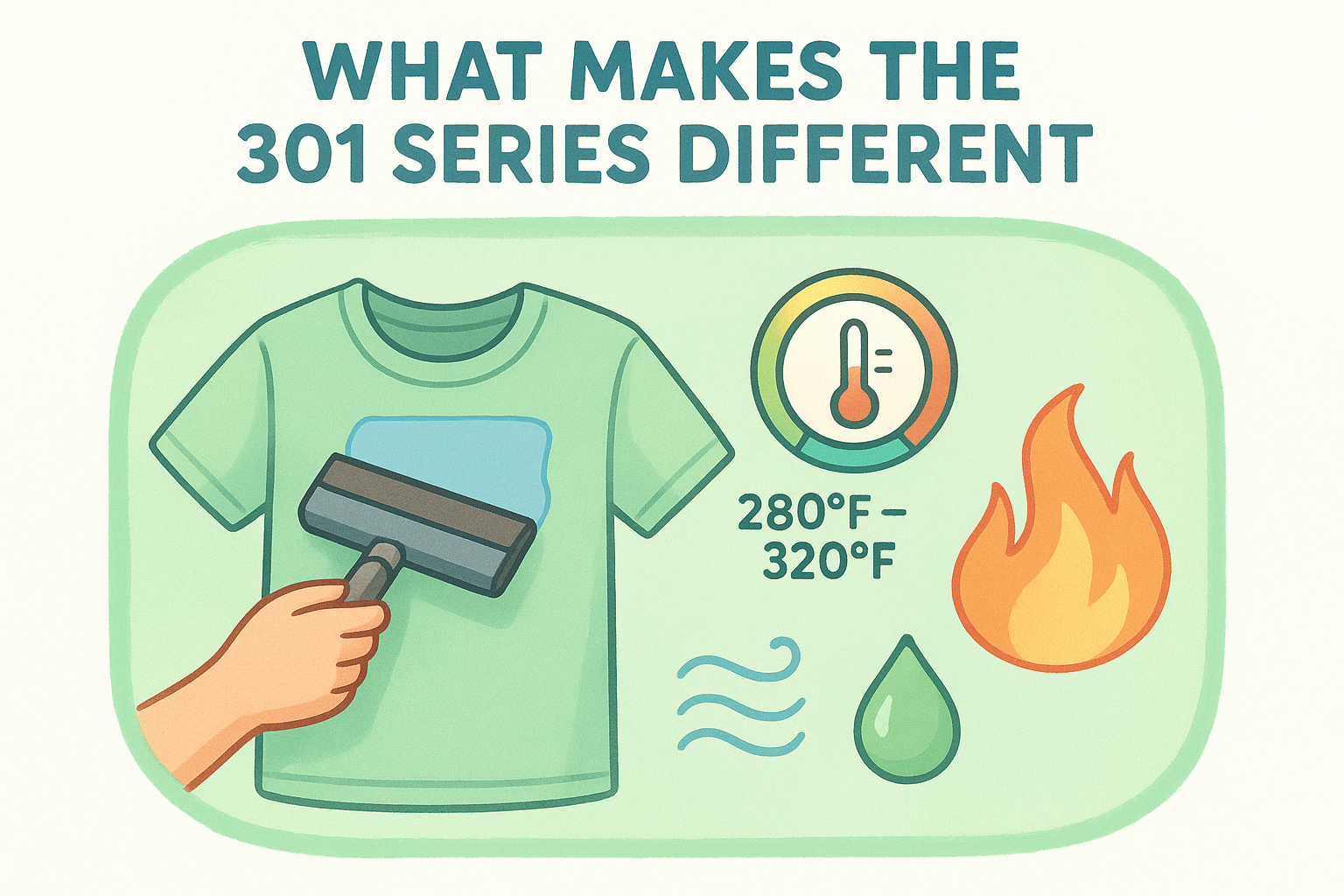
If you print on lightweight blanks regularly, the 301 Eco-Series curing range is a meaningful operational advantage worth factoring into your ink decision.
Color integration is another strength. This series connects directly with Matsui water based ink pigment concentrates, so you can dial in custom colors rather than buying pre-mixed options for every job. That flexibility cuts inventory costs and gives you tighter control over brand color matching for repeat clients.
How to print with Matsui water based ink
Printing with Matsui water based ink follows a similar process to plastisol, but water-based chemistry requires closer attention to screen preparation and curing. These inks are thinner than plastisol and can dry in the mesh if you pause too long, so use an emulsion rated for water-based chemistry and keep your screens active during long print runs.
Mesh count and squeegee technique
Your mesh count shapes the ink deposit and overall hand feel. A 156 to 230 mesh range covers most standard soft-hand print jobs. Use a firm, single-pass squeegee stroke at roughly 45 degrees to keep the deposit clean and reduce ink buildup behind the screen.
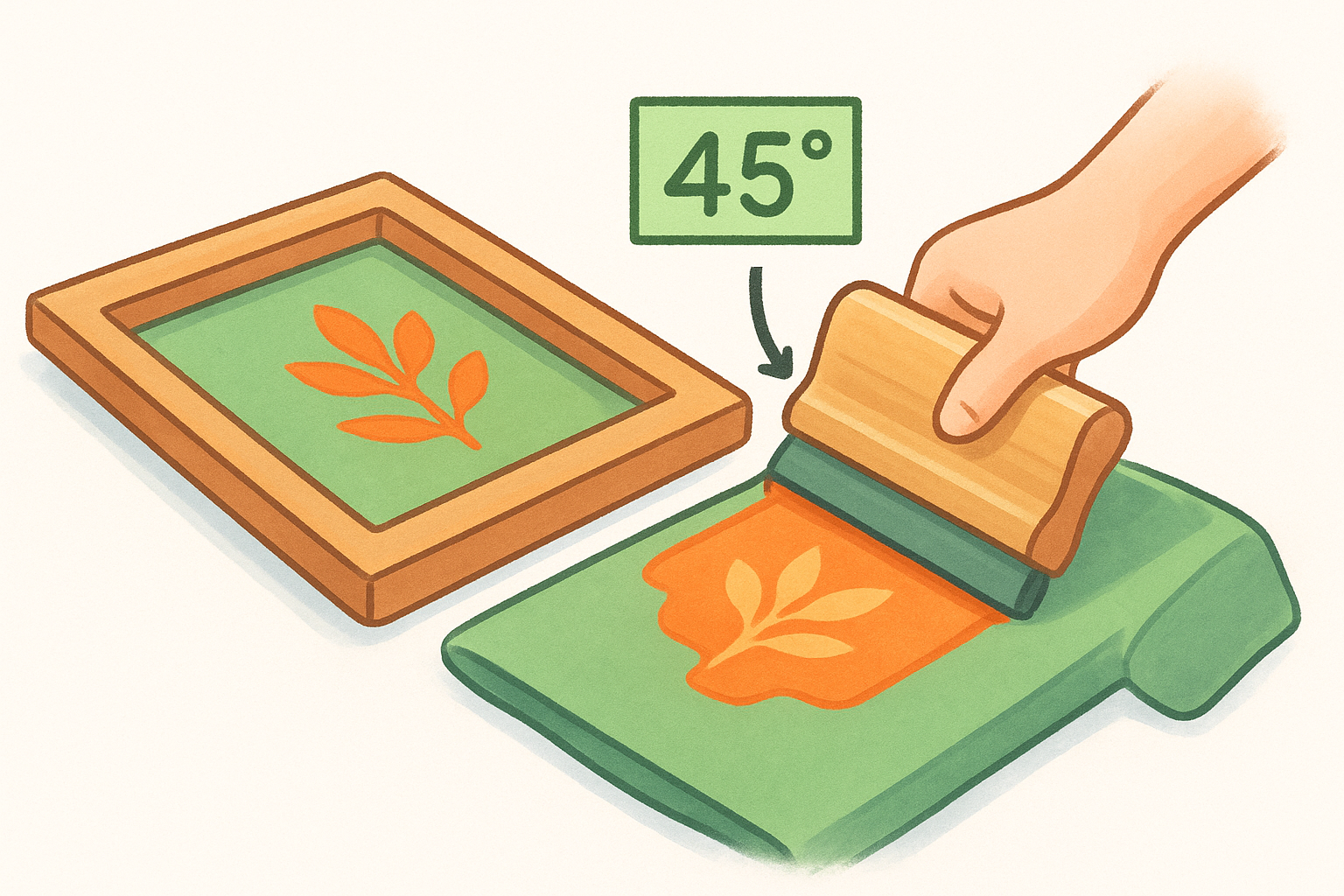
Consistent squeegee pressure from the first shirt to the last keeps your color output even across the entire run.
Adjust your angle and pressure based on fabric weight: lighter garments need a lighter deposit to prevent ink from bleeding at the edges.
Curing and flash considerations
Curing temperature for Matsui inks typically falls between 280°F and 320°F. Use a donut probe or infrared thermometer to verify actual garment temperature rather than relying on dryer settings alone.
Flash between colors long enough to evaporate surface moisture, but stop before the ink fully cures. Under-cured layers wash out prematurely, while over-cured ones reduce adhesion for the next color pass.
Mixing, additives, and color matching basics
Matsui water based ink connects directly with a pigment concentrate system, which gives you far more flexibility than buying pre-mixed colors for every job. You start with a transparent or white base and add concentrated pigments to build the color you need, keeping your inventory lean while expanding your color range significantly.
Working with pigment concentrates
Matsui pigments are highly concentrated, so small amounts go a long way. Mix pigments into your base thoroughly using a palette knife or slow-speed mixer to avoid air bubbles, which cause inconsistent ink coverage on press. Always weigh your pigment additions rather than estimating by eye so you can reproduce the same formula accurately for repeat client orders.
Document every color mix by weight the first time you nail it so you can hit the same result months later without starting over.
Additives that change ink behavior
Retarder additives slow drying time in your screen, which matters a lot on hot days or during longer print runs where ink can start to dry in the mesh. A reducer thins the ink body for finer mesh counts without weakening the color bond. Use both additives conservatively, staying within 5 to 10 percent by weight, to protect wash durability on the finished garment.
Where to buy Matsui water based ink in the US
Matsui water based ink is available through several US-based distributors that stock the 301 Eco-Series alongside pigment concentrates and additives. Most professional screen printing suppliers carry Matsui products, so you can often order alongside your other consumables rather than managing a separate vendor relationship.
Buying from a distributor that stocks both the base inks and matching additives saves you time and shipping costs on every reorder.
Online purchasing options
Amazon carries select Matsui ink products, making it a fast option when you need a small quantity quickly. For larger orders and full access to the complete product line, including specialty pigments and additives, contact a dedicated screen printing supplier directly. Many distributors offer tiered pricing based on volume, so consolidating your order to hit a higher bracket lowers your per-unit cost noticeably.
Searching "Matsui water based ink distributor" along with your state will surface regional suppliers who stock the full line. Regional distributors often provide faster shipping and can answer product-specific questions directly, which matters when you’re troubleshooting a new ink formula on a tight production schedule.
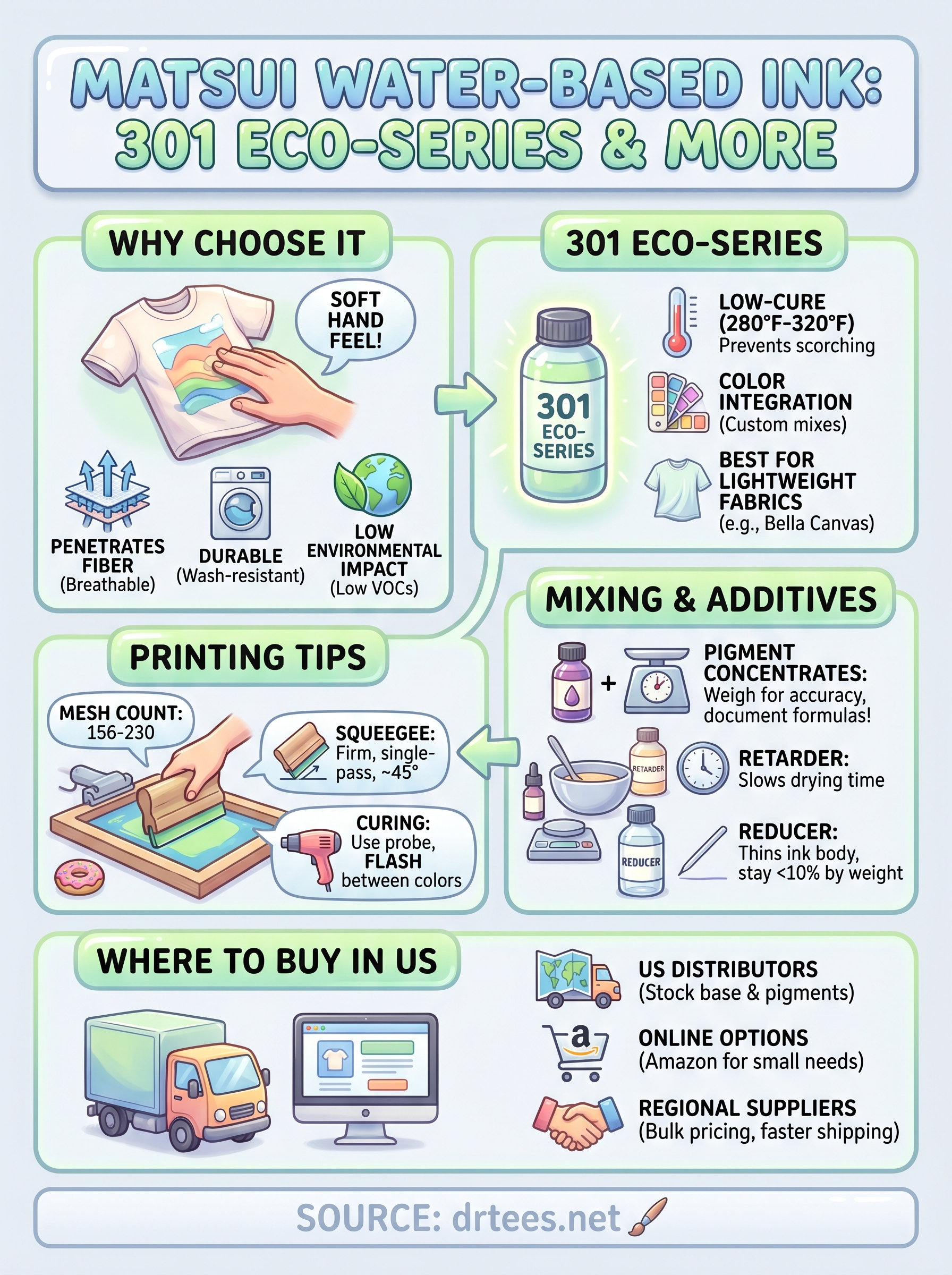
Next steps for your next print run
Matsui water based ink gives you a reliable path to soft, durable prints with a lower environmental footprint than traditional plastisol. If you’re evaluating your ink options, the 301 Eco-Series is a strong starting point: low cure temperatures, flexible color mixing, and consistent wash durability cover most production scenarios you’ll encounter.
Sourcing the ink is straightforward once you locate a US distributor who stocks the full line, including pigment concentrates and additives. From there, dialing in your mesh count, squeegee technique, and curing temperature puts you in a strong position to produce consistent results run after run.
If you’d rather leave the ink decisions to an experienced printer and focus on your brand, Dr. Tee’s Design & Screen Printing handles every step of the process. Start your custom order today and see what over 20 years of Kansas City screen printing experience looks like on your finished garments.
