
If you’ve ever searched for logo design inspiration or tried to stay current with branding trends, there’s a good chance you’ve come across Logo Lounge. It’s one of the most well-known platforms in the design industry, a place where designers submit their work, compete for inclusion in published books, and study what’s working in modern logo design.
But what exactly is LogoLounge, how much does it cost, and is a membership actually worth it? Whether you’re a designer looking to showcase your portfolio or a business owner trying to understand what goes into professional logo development, those are fair questions. This article breaks down everything you need to know about the platform, from how submissions work to what you get for your money in 2026.
At Dr. Tee’s Design & Screen Printing, logo design is a core part of what we do for businesses across Kansas City. With over 20 years of experience creating logos, branded apparel, and marketing materials, we understand how important a strong visual identity is before it ever hits a screen-printed shirt or embroidered polo. Resources like LogoLounge play a real role in how designers research trends and refine their craft, so we wanted to give you an honest, thorough look at the platform and help you decide if it’s right for your goals.
Why LogoLounge matters for logo research
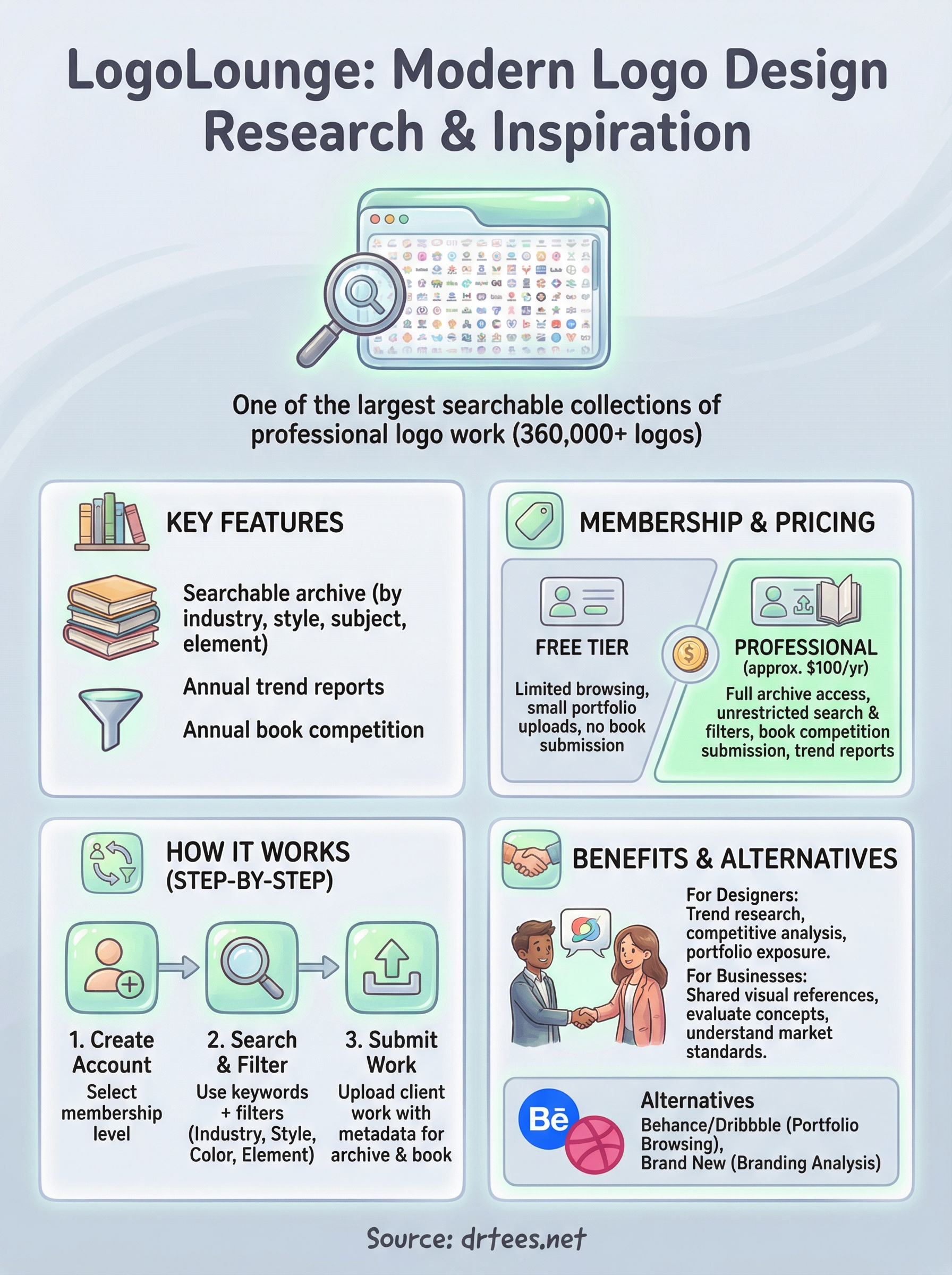
LogoLounge has built one of the largest searchable collections of professional logo work in the world. As of 2026, the platform houses over 360,000 logos uploaded by designers across more than 100 countries. That scale is what sets it apart from a casual Pinterest board or a design blog. When you need to understand what’s happening in a specific industry, style direction, or visual category, a database that size gives you something no single designer’s portfolio ever could: a real cross-section of what the entire profession is producing right now.
A collection of this scale means you’re not looking at one person’s taste or one agency’s aesthetic. You’re looking at what the professional design community is actually delivering to real clients.
What the archive actually contains
The LogoLounge archive is organized far beyond a simple gallery of uploaded images. Each submission is tagged by industry, style, subject, and design elements, which means you can filter down to something specific like minimalist logos in the food service sector and pull up hundreds of relevant examples in seconds. Designers upload their actual client work, not just personal passion projects or speculative concepts, so what you see in the archive reflects real-world briefs from paying clients across industries. That distinction matters when you’re doing genuine market research or trying to figure out what visual language a particular industry already expects from its brands.
The archive also functions as a timeline. Because submissions date back years, you can look at how a specific style or symbol has evolved over time in your industry. If you’re in home services, healthcare, or food and beverage, for example, you can trace the full arc of what iconography and typography have dominated that space and where things appear to be heading next.
How trend data shapes design decisions
Every year, LogoLounge’s founders analyze the submissions in the database and publish their findings as an annual logo design trend report. These reports have become a well-recognized reference point in the branding industry. They identify recurring shapes, color directions, typographic approaches, and conceptual themes that show up consistently across thousands of submitted logos. If you’re a designer, this tells you where the market is heading before your clients start asking for it. If you’re a business owner planning a rebrand or a first logo, this tells you whether the style you’re gravitating toward is still fresh or already saturating the market.
Why this matters beyond designers
Most people assume logo lounge is purely a resource for working designers, but its value extends to anyone involved in branding decisions. If you’re a business owner working with a designer on a new logo, the archive gives you a shared visual reference point to work from. Instead of describing what you want in abstract terms, you can pull specific examples and say, this is the direction I’m thinking. That level of clarity reduces back-and-forth revision cycles and helps your designer grasp your vision faster.
Beyond communication, the platform helps you evaluate whether the concepts your designer presents are genuinely differentiated or too close to what competitors in your category are already using. Knowing what’s already out there is one of the most underrated parts of logo development. A strong mark doesn’t just look good in isolation. It needs to stand apart from every other symbol in your space, and that kind of competitive awareness starts with doing the actual research.
How to use LogoLounge step by step
Getting started on logo lounge is straightforward, but knowing the right path through the platform saves you time and gets you to the most useful content faster. Whether you’re a designer building a research habit or a business owner gathering visual references for an upcoming project, the steps below walk you through the full experience from signup to search.
Creating your account
You start by registering at LogoLounge.com. The free tier lets you create a profile, browse limited content, and upload a small number of logos to your portfolio. If you want full access to the archive and unrestricted search, you’ll need a paid membership. The signup process takes only a few minutes. You enter your basic information, confirm your email, and select your membership level before you’re in. Designers who plan to submit work for the annual book competition need to complete their profile with accurate credentials, since submissions are reviewed under your name.
Navigating the archive
Once you’re inside, the homepage surfaces recently uploaded logos and featured collections, but the search bar and filter system are where the real value lives. Type in a keyword related to your industry or the type of mark you’re researching, and the archive returns results immediately. You can then narrow your results using filters such as style, industry category, color, and design element type.
The filter system is what separates a productive research session from an hour of scrolling through irrelevant results, so spend a few minutes learning which filter combinations apply to your specific project before you dig in.
Here’s a quick reference for the main filter categories available in the archive:
- Industry: food and beverage, healthcare, technology, home services, and more
- Style: wordmark, lettermark, abstract, pictorial, combination mark
- Element: shapes, animals, objects, human figures, and typography-based marks
- Color: filter by dominant hue or palette type
Submitting your work
Designers submit work through their member dashboard. You upload the logo file along with metadata including the client industry, design style, and relevant tags. Accurate tagging matters because it determines how other members and the book selection judges find your submission. Each submission goes into the archive immediately, but inclusion in the annual LogoLounge book requires your work to be selected through the judged competition process, which runs on its own separate timeline each year.
LogoLounge pricing, membership, and limits
Understanding what logo lounge costs before you commit saves you from signing up for a tier that doesn’t match how you plan to use the platform. LogoLounge offers two main membership levels: a free account and a paid professional membership, and the gap between them is significant enough that most serious users end up upgrading.
Free vs. paid membership
The free account gives you a basic profile, limited archive browsing, and the ability to upload a small number of logos to your public portfolio. That’s enough to get a feel for the platform, but it caps your search access and prevents you from submitting work for the annual book competition. If you’re a business owner who just wants to browse a handful of examples before a design meeting, the free tier might be all you need. For designers or anyone doing thorough research, it runs out of usefulness quickly.
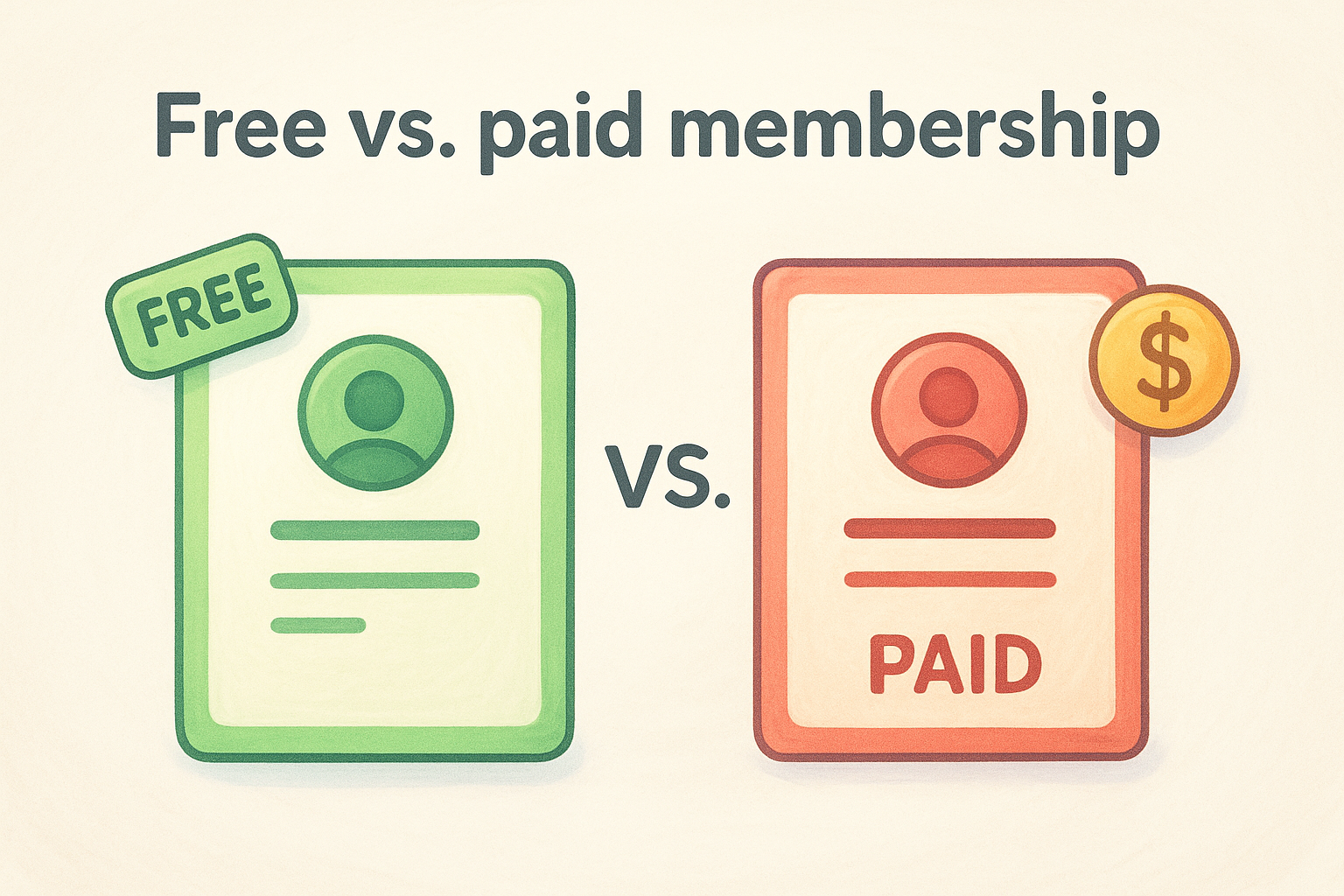
The paid professional membership is priced at approximately $100 per year, which comes out to less than $9 per month for full access to one of the largest logo archives in existence.
The paid tier removes the browsing limits, unlocks the full search and filter system, and lets you submit logos for consideration in the annual LogoLounge book. It also increases the number of logos you can upload to your portfolio, which matters if you’re using the platform to display client work to potential clients.
What you get with a paid membership
A professional membership gives you unrestricted access to the full archive of over 360,000 logos along with the complete filter and search tools. You can save logos to private collections, which makes it easier to build reference boards for specific projects. The trend reports published each year are also included with your membership, giving you access to data-backed analysis of where the design industry is heading without paying separately for a report.
Limits to know before you sign up
Even with a paid membership, there are practical limits worth noting. The book competition runs once per year with a submission window, so if you miss it, you wait until the next cycle. Your portfolio uploads are capped, though the limit is high enough that most designers never hit it. The platform is also desktop-focused, so the mobile browsing experience is functional but not optimized for detailed research on a small screen.
How LogoLounge search and filters work
The search and filter system is the part of logo lounge that most new users underuse. The archive holds over 360,000 logos, and without a structured approach to searching it, you end up scrolling through results that have nothing to do with your actual project. Understanding how the system is built and how to combine its tools turns what could be an overwhelming library into a precise research instrument.
Using the search bar effectively
The search bar accepts keyword-based queries, and what you type directly shapes the quality of your results. Broad terms like “logo” or “design” return too much to be useful. The more specific your input, the faster you reach relevant work. If you’re researching branding for a roofing company, for example, typing “roofing” or “construction” immediately narrows the pool to logos created for clients in that space. Searching by visual concept works too, so terms like “shield,” “leaf,” or “monogram” pull results based on the design element rather than industry alone.
The most productive searches combine a subject term with a style term, for example “dental wordmark” or “tech abstract mark,” because you filter by intent and form at the same time.
Reading and combining filters
After your initial search returns results, the filter panel on the side of the archive lets you layer additional criteria on top of your keyword. You can filter simultaneously by industry category, design style, dominant color, and element type. Each filter you add removes results that don’t meet that criteria, which progressively sharpens the set you’re reviewing. This layered approach is what makes the archive genuinely useful for targeted competitive research rather than casual browsing.
The filter categories are built around how designers and clients actually describe logo work in professional settings. Style options cover wordmarks, lettermarks, abstract marks, pictorial marks, and combination marks. Industry filters map to real client sectors like healthcare, food and beverage, home services, and technology. Color filters let you isolate logos by hue, which is useful if you’re researching whether a specific color reads as ownable in your industry or whether it’s oversaturated. Running these filters together gives you a tightly defined view of what’s already in market before you make any decisions about your own brand’s direction.
How LogoLounge submissions and the book work
The submission system is one of the most appealing parts of logo lounge for working designers. Every paid member can upload completed client work directly to the archive, where it becomes immediately searchable and visible to the entire LogoLounge community. Beyond simply adding to the library, submitting your work also enters it into consideration for the annual LogoLounge book, which is one of the most recognized design publications in the branding industry.
How to submit work to the archive
Submitting a logo starts in your member dashboard, where you upload the final logo file and fill out the accompanying metadata. This metadata includes the client’s industry, the design style of the mark, and descriptive tags that help other users find your work during searches. The tags you choose directly affect how often your submission surfaces in filtered results, so treat this step carefully rather than rushing through it. Accurate, specific tagging makes your work visible to the right audience and improves your chances of being noticed by the judges who review submissions for the book.
How the book selection process works
Each year, LogoLounge opens a formal submission window for the annual book competition. Designers submit work they want considered for publication, and a panel of respected judges reviews all entries. The judges evaluate submissions based on originality, execution, and overall design quality, not on how many followers a designer has or how well-known their studio is. This makes the competition genuinely merit-based, which is part of why inclusion carries real weight in the industry.
Getting selected for a LogoLounge book is one of the few credentials in logo design that clients and other designers recognize without explanation.
What being in the book means for your work
If your submission is selected, your logo appears in a printed and widely distributed volume that designers, creative directors, and brand consultants reference throughout the year. Each book functions as a snapshot of the best logo work produced globally during that period, and it gets used as a research and inspiration resource long after its release year. For a designer based in Kansas City or anywhere else, that kind of exposure reaches an audience far beyond what local networking or a personal website typically delivers.
Alternatives to LogoLounge and best fit
Logo lounge is not the only platform worth knowing about when you’re researching logo design or building a reference library. Depending on your goal, whether that’s finding inspiration, studying real client work, or analyzing branding decisions with written context, [different platforms serve different needs](https://drtees.net/what-makes-a-good-logo/), and choosing the right one depends on what you’re actually trying to accomplish.
Behance and Dribbble for portfolio browsing
Behance and Dribbble are the two most widely used platforms for browsing designer portfolios and visual work. Behance, which Adobe owns, hosts full case studies alongside finished logos, so you can see the design thinking behind a mark rather than just the final result. Dribbble skews toward polished visual presentation and attracts a large following of interface and branding designers who post work in progress and finished pieces. Both platforms are free to browse without a membership, which makes them accessible starting points.
The limitation with both is that neither offers the structured tagging and industry-specific filtering that makes LogoLounge useful for competitive research. You can scroll through impressive work on either site, but finding ten logos specifically designed for HVAC companies with a pictorial mark style requires a level of search precision those platforms do not offer.
Brand New for branding analysis
Brand New, published by UnderConsideration, focuses on written critique and analysis of brand identity work from major companies. If you want to understand why a rebrand succeeded or failed, how a specific visual decision was received by the industry, and what the design community actually thinks about a high-profile logo change, Brand New provides context that no image archive can. It covers everything from Fortune 500 rebrands to mid-market identity updates.
Brand New is the right resource when you want to understand the reasoning behind a branding decision, while LogoLounge is the right resource when you need to see the breadth of what the market is producing.
When LogoLounge is the right fit
LogoLounge is the strongest choice when your goal is volume-based research across a specific industry or style category. If you’re preparing for a logo project, planning a rebrand, or trying to understand what visual language already saturates your competitive space, the searchable archive with layered filters gives you something none of the alternatives match. For designers who also want a publication credit that the broader industry recognizes, the book competition adds a tangible professional benefit that no other platform currently replicates.
Next steps
You now have a complete picture of what logo lounge is, how much it costs, how the search and submission systems work, and where it fits compared to other tools in the market. Whether you use the platform as a designer building your archive presence or as a business owner gathering references before a branding conversation, the research you do upfront directly shapes the quality of the logo you end up with.
If you’re ready to take the next step and put a strong logo to work on branded apparel or marketing materials, Dr. Tee’s Design & Screen Printing has over 20 years of experience turning great marks into screen-printed shirts, embroidered polos, and more for businesses across Kansas City. You can browse past client work and read what real customers have said, then start your custom apparel project with Dr. Tee’s when you’re ready to move forward.
